A good condiment should answer a simple question: what will it do to dinner?
A spoonful stirred into a dressing. A splash in a sauce. Something sharp and crunchy beside a rich cheese toastie. A useful pantry starts with the meals you actually cook, not the number of jars on the shelf.
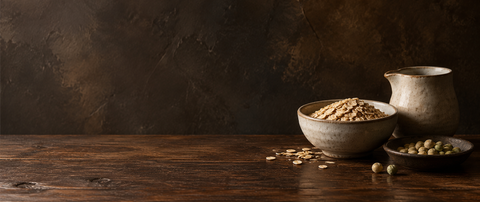
Fermentation opens up some unexpected possibilities. In Banchory, Aberdeenshire, Slow Sauce makes miso and shoyu with oats and peas. An ingredient you might associate with porridge becomes a seasoning for quite a different sort of supper.
From grain to seasoning
Founders Robin Sherriff and Jonathan Hope describe growing koji cultures on grains, fermenting their ingredients and maturing products in oak barrels at their small brewery. They carry out fermentation, processing and packing in-house, using ingredients, cultures and packaging from outside suppliers.
Among those ingredients are Scottish oats and British peas, including Carlin and Pink Flamingo varieties. It is an interesting meeting of Japanese fermentation techniques and crops with a long history closer to home.
Oat miso and oat shoyu offer two ways into that work: a paste to stir into food, and a liquid seasoning to pour. Start with whichever fits the way you cook.
Choose a job before choosing a jar
If you often make dressings or glazes, a miso paste gives you something to work into them. Slow Sauce’s own serving suggestions stretch from toast and porridge to salads and vegetables—plenty of starting points for a jar that might otherwise linger at the back of the fridge.
A liquid seasoning is easy to distribute through a sauce or dressing. Add a little, taste, then adjust before reaching for more salt. There is no prize for using it in everything; the aim is to find a few meals you want to make again.
Leave room for crunch
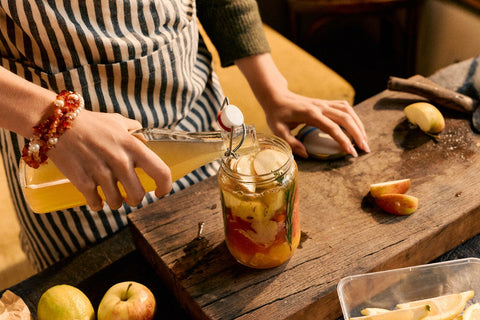
For contrast, we often reach for a pickle. Wild Root’s Bread & Butter Pickles bring sweetness, acidity and a crisp bite. Its Pickled Pink Cauliflower has been particularly good on sourdough cheese on toast with mature cheddar.
Pickling and fermentation are different processes, so these jars belong here as companions rather than examples of the same technique. A savoury seasoning and a crunchy pickle have different jobs—and dinner is better for it.
Our guide to using pickles in everyday food has more ideas for that side of the pantry.
Buy for the first meal
Before adding a new jar to your basket, think of the first thing you will cook with it. Check the ingredients and storage instructions, then give it a place where you will remember to use it.
A dressing for tonight’s vegetables, a sauce for tomorrow, something crunchy for lunch. That is a much better beginning than a cupboard full of good intentions.
Explore Slow Sauce’s oat miso and shoyu, or meet Wild Root.
Slow Sauce shared its making and sourcing story with us; our tasting notes here are for Wild Root.